What Is AI-First Development? (And What It Isn't)
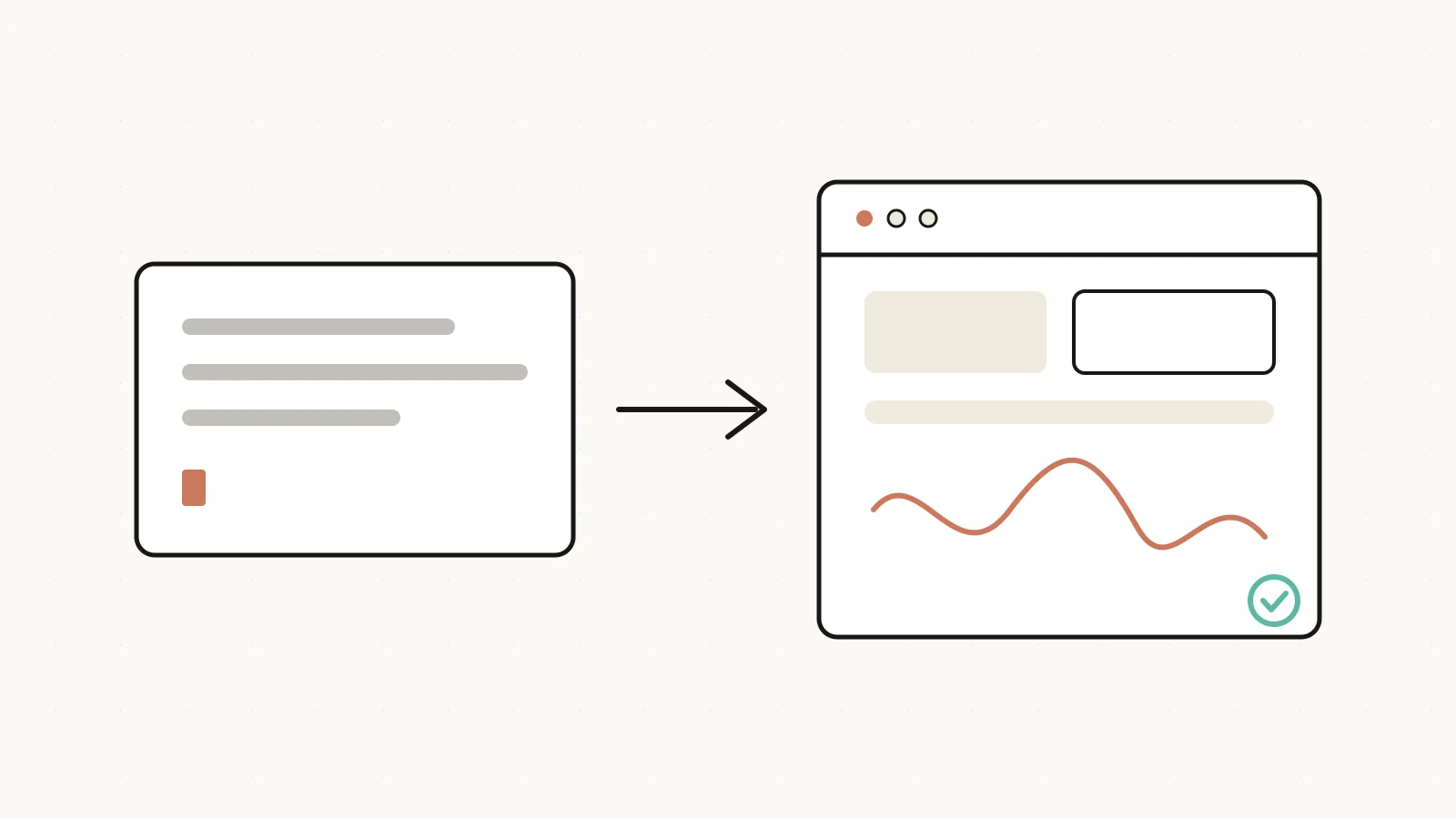
AI-first development is a software delivery methodology in which AI coding agents write most of the code, while senior engineers own the architecture, review every line before it ships, and carry responsibility for production. It’s not a tool you buy — it’s an operating model for a team. The one-line version we use internally: AI proposes, senior disposes.
The term is young and gets stretched over everything from autocomplete plugins to no-code platforms, usually by whoever’s selling one. Since we named our agency after it, here’s the precise definition — including the boundaries.
The definition, unpacked
Three claims have to be true at once, or it’s something else:
- AI writes the volume. Agents like Claude Code produce most of the codebase — scaffolding, CRUD, integrations, tests. Not suggestions; whole implemented features. This is what changed in the last two years and what the economics rest on.
- Humans own the judgment. Architecture decisions, security model, and what not to build stay with senior engineers. The AI is never the one deciding the auth strategy.
- Everything is reviewed. 100% of AI-written code passes senior review before it ships. This is the line item that separates AI-first from vibe coding, and it’s where the remaining cost lives: the hours billed are judgment hours, not typing hours.
What AI-first development isn’t
It isn’t vibe coding. Same tools, opposite posture. Vibe coding means accepting AI output without reading it — perfect for prototypes, and the reason over 60% of unreviewed AI-generated code carries vulnerabilities (Cloud Security Alliance). AI-first keeps the speed and adds the reading.
It isn’t autocomplete. Copilot-style assistants suggesting lines while a human types is AI-assisted development — a productivity gain of percent, not multiples. AI-first inverts who does the typing entirely.
It isn’t no-code. No-code trades code for platform lock-in. AI-first produces ordinary code in an ordinary stack, in your GitHub from day one. Any engineer can take over; there’s nothing proprietary to escape from.
It isn’t an automated agency. Nobody serious sells “AI builds your app, no humans involved” — and if someone does, that’s vibe coding with an invoice. The human review is the product.
Why it exists: the economics
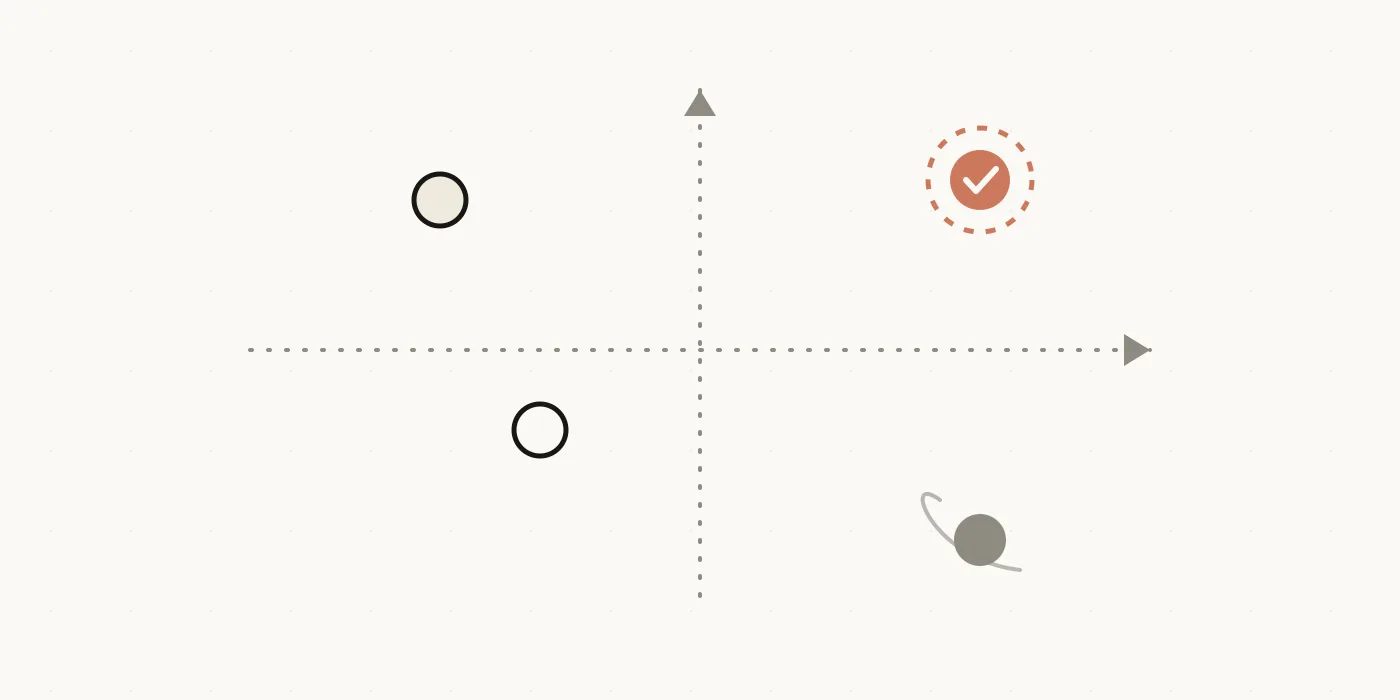
A traditional agency bills 400–1,000 developer-hours for a standard MVP, priced as if every line were typed by hand — hence the $20K–$120K market average and 3–5 month timelines. AI-first teams ship the same scope in a fraction of the hours. The honest ones reprice accordingly: our production MVP is a fixed $9,995 in 3 weeks, and the “why so cheap” question has a one-word answer — hours.
The catch worth naming: most of the market hasn’t repriced. Agencies quietly use AI tooling at 2022 prices, and almost none say which tools they use. We name ours (Claude Code, Codex) and published the full workflow.
What it looks like in practice
Our loop, which is representative of the methodology done seriously:
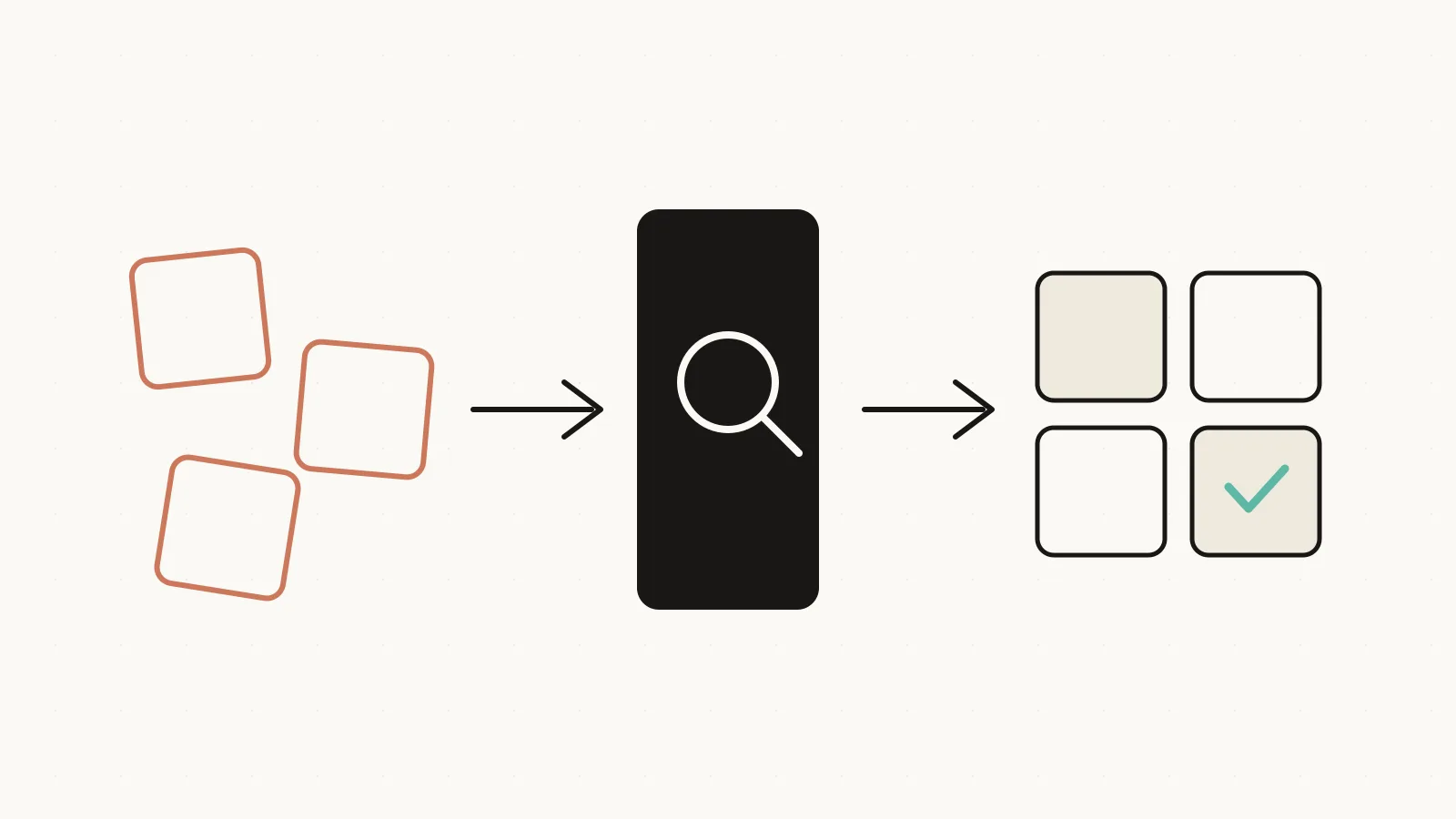
- Architecture first, by humans — stack, data model, security boundaries, written scope
- Agents implement — feature by feature, against that architecture
- Senior review on every pull request — the disposal half of “AI proposes, senior disposes”
- A hardening pass — the security checklist, tests, edge cases: the last 30% that separates a demo from a product
- Daily commits to the client’s repo — the process is inspectable while it runs, not just at delivery
The full step-by-step is on our process page.
Frequently asked questions
Is AI-first development the same as vibe coding? No — they share tools and nothing else. Vibe coding skips code review by definition; AI-first exists to keep AI speed with review. One produces prototypes, the other production software.
Is AI-written code safe for production? Unreviewed: statistically no — over 60% carries vulnerabilities. Reviewed, tested, and hardened by senior engineers: yes, and you should demand the audit trail showing that happened. The stat is an argument for review, not against AI.
Is AI-first development cheaper? Substantially — weeks instead of months at roughly a fifth of traditional quotes, because the typing hours are gone. What you’re still paying for is judgment: architecture, review, and someone accountable when it breaks.
Do humans still write code in AI-first development? Yes, where judgment is dense: architecture spikes, security-critical paths, the gnarly edge cases. But most volume is AI-written and human-reviewed. The ratio keeps shifting; the review requirement doesn’t.