Vibe Coding vs. Hiring an Agency: What the Failure Data Actually Says
In the Winter 2025 YC batch, roughly a quarter of startups had codebases that were ~95% AI-generated. That’s not a fringe experiment anymore — it’s the default way technical and non-technical founders alike start building. So the honest question isn’t “should I vibe-code my prototype?” It’s “when does vibe coding stop being the right tool?”
We build with AI every day, so this isn’t an anti-AI take. It’s the failure data, and what it implies.
What the data says about AI-generated code
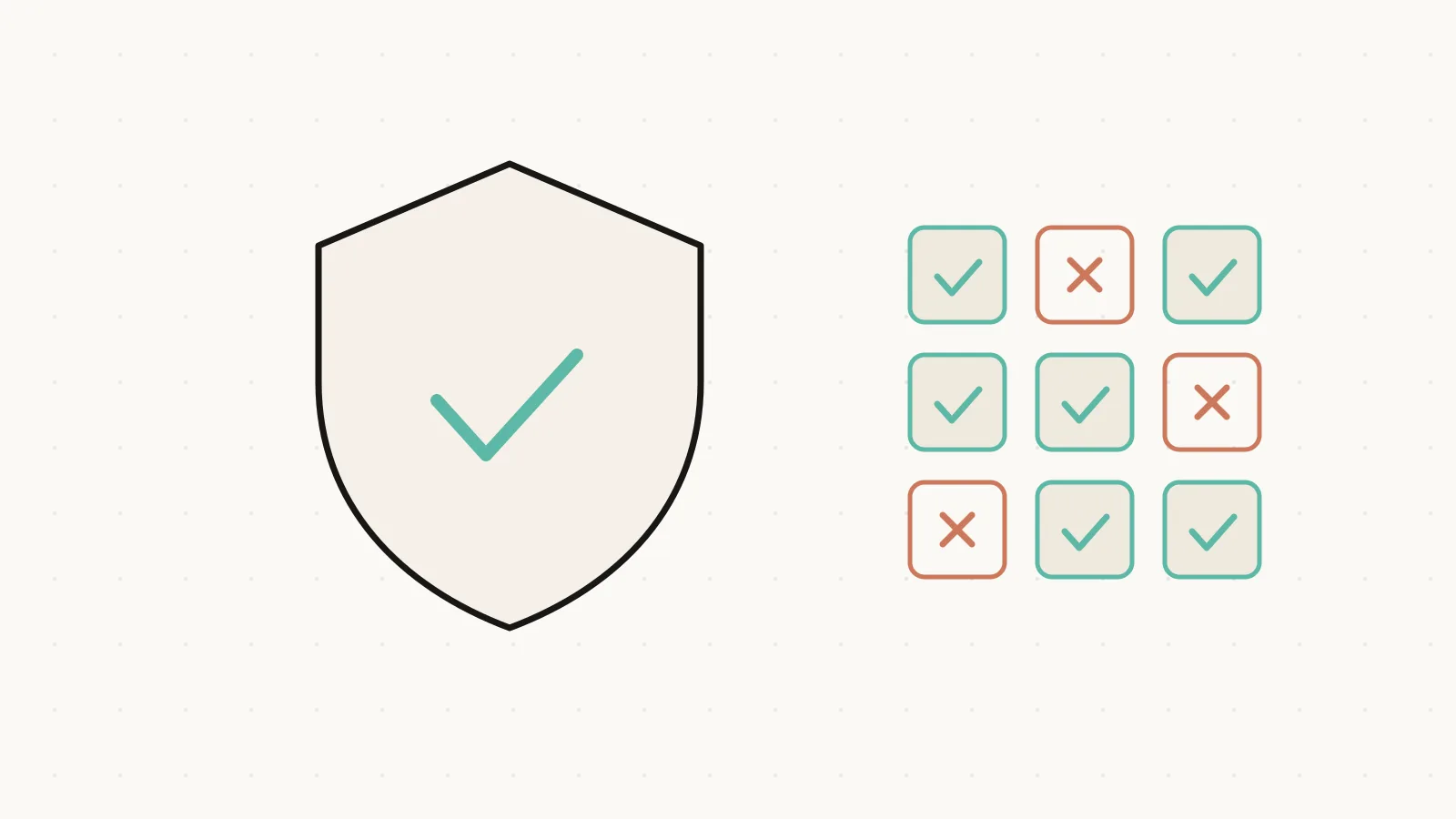
- The Cloud Security Alliance reports that more than 60% of AI-generated code contains security vulnerabilities.
- A May 2025 audit of apps built with Lovable found 170 of 1,645 apps (~10%) actively leaking sensitive user data — API keys, personal information, in some cases payment details.
- Security researchers who audit vibe-coded startups keep finding the same patterns: hardcoded credentials (one documented case: AWS keys scraped within 12 minutes of deploy, $50,000+ in unauthorized compute), missing authorization checks, and payment flows with no failure handling. We published the full list as a seven-point security checklist you can run yourself.
- Founders who hit the wall after launch report $40,000+ rescue costs to stabilize what the tools produced.
None of this means the tools are bad. It means they’re optimized for working demos, not hardened systems — which is exactly what a prototype should be.
The 70/30 rule
AI coding tools reliably get you about 70% of the way to a production application. The last 30% is:
- Auth edge cases — what happens with two simultaneous logins, expired sessions, password resets
- Payments — failures, refunds, webhooks, disputes; the happy path is the easy 10%
- Integrations — real-world APIs with rate limits, outages, and undocumented behavior
- Security hardening — the OWASP checklist your prototype has never heard of
- Scale — the query that’s fine with 10 test users and dies with 1,000 real ones
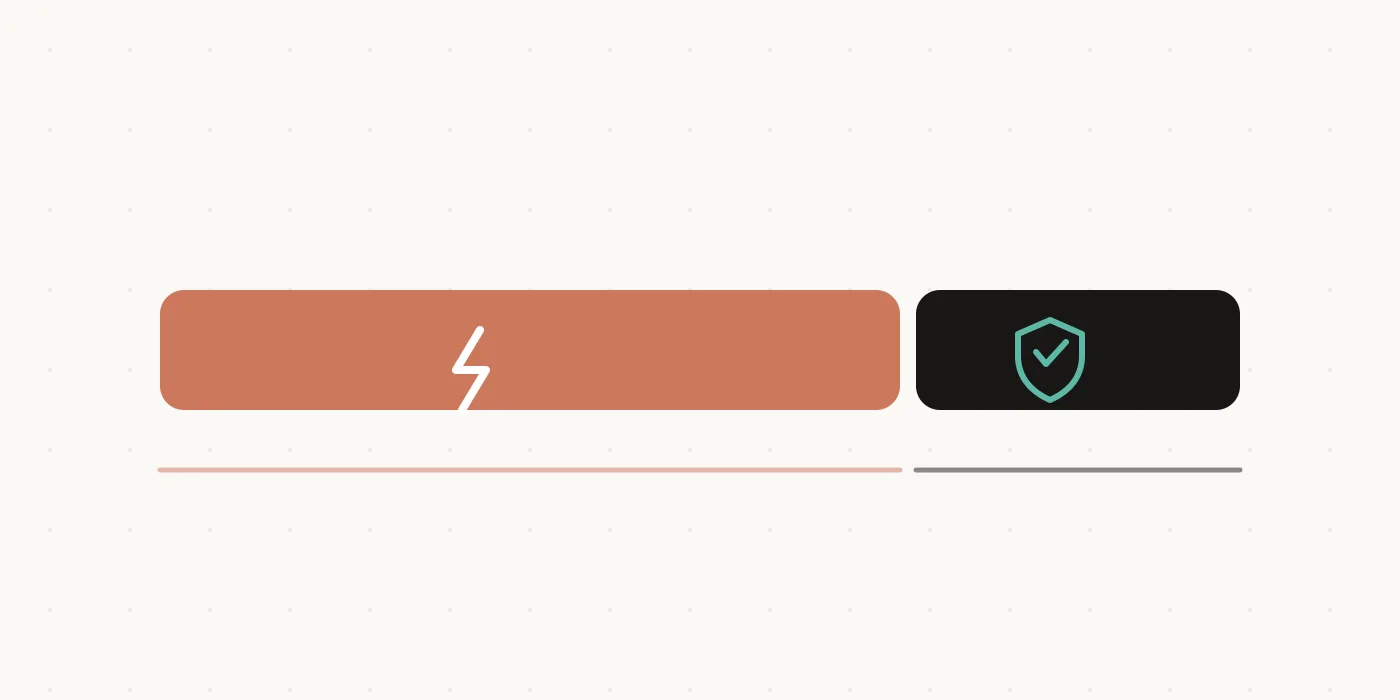
The 30% is invisible in a demo. That’s precisely why it gets skipped — and why it’s where professional teams earn their fee.
The framework: when each path wins
Vibe-code it yourself when:
- You’re validating whether anyone wants this at all
- No real user data, no payments, no compliance surface
- You can afford for it to break publicly
Bring in professionals when:
- Strangers will trust the product with data or money
- You’re about to onboard paying customers
- Investors will diligence what you’ve built
- Your AI tool keeps looping on the same bug and each fix breaks something else
The hybrid path (what we actually recommend)
The smartest pattern we see: founders vibe-code the prototype for a few hundred dollars, validate demand with it, then hand it to professionals for the production build. You lose nothing — the prototype did its job as a spec. A written prototype is a better brief than any requirements document.
That’s literally a service line for us: the Rescue audit is a 3-day security and architecture review of your AI-built app ($1,500, credited toward a rebuild). The verdict is sometimes “your code is fine — fix these five things.” More often it’s “keep the validated idea, rebuild the foundation” — and a production rebuild at $9,995 beats a $40,000 rescue every time.
Build the prototype yourself. Validate with it. Then treat the production build as what it is: a different job, with different stakes.