The Same MVP Costs $3,999 or $300,000. We Mapped Why.
In July 2026 we researched the MVP and AI development agency market to position our own — 23 sources, 20+ agencies profiled, every load-bearing claim verified against the live source, single-source claims flagged as directional. The dataset turned out to be more interesting than the positioning exercise, so here it is.
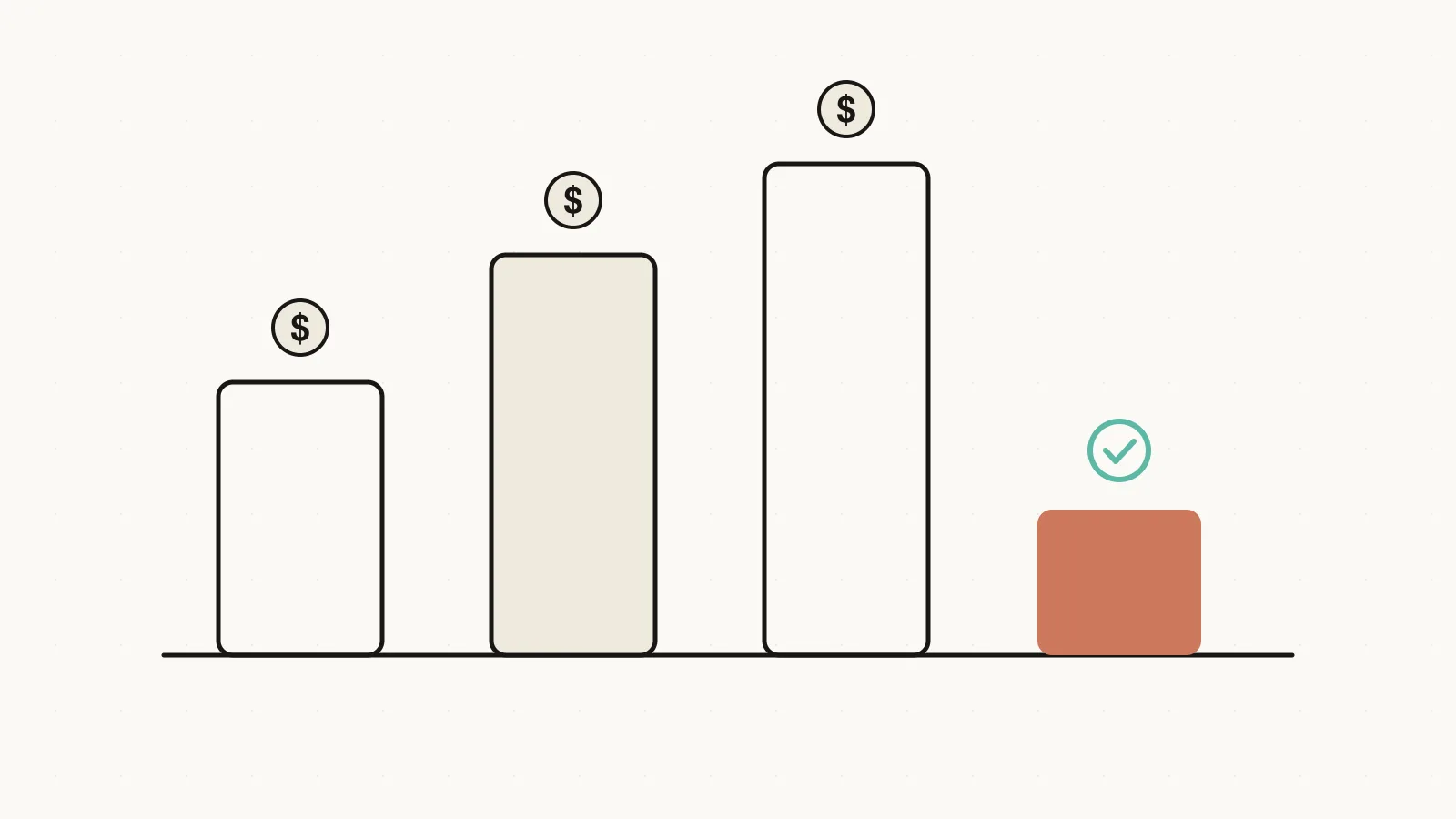
The headline: a production MVP is quoted anywhere from $3,999 to $300,000+ depending only on who you ask. That’s a 75x spread for what founders would describe, in the same words, as “build my app.”
Finding 1: the price map has four floors, not a range
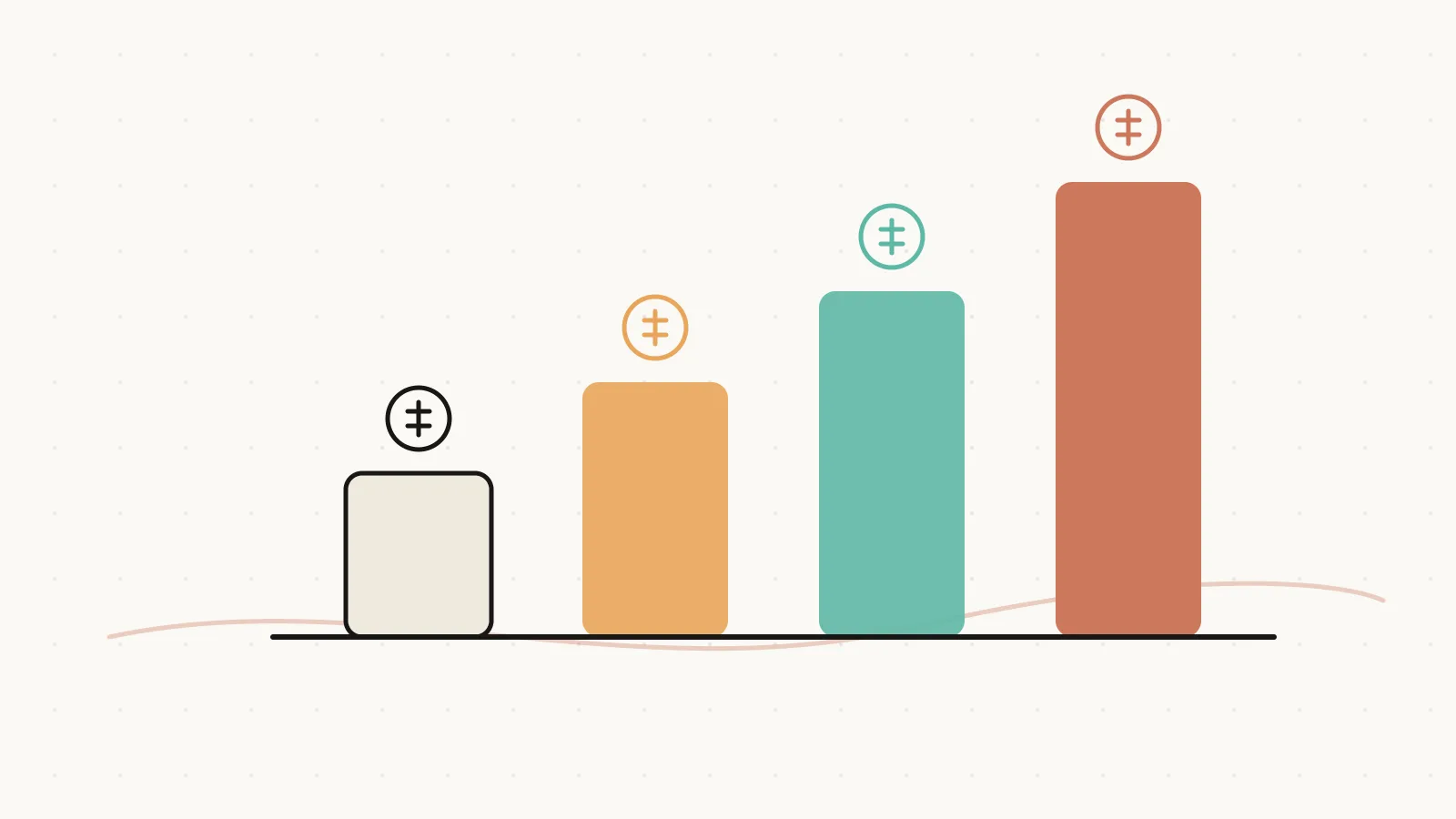
The spread stops being mysterious once you sort by cost structure instead of by promise — every agency’s price tells you when its delivery model was built:
| Tier | Price | Timeline | Who |
|---|---|---|---|
| Budget fixed-price | $1,999–$2,997 | 2–3 weeks | Webscension, BuildMVPFast (no AI features, no mobile) |
| AI-first fast tier | $3,999–$25,000 | 1–4 weeks | HouseofMVPs, us, Maxiom (from $10K) |
| Premium studios | $20,000–$80,000 | 8–16 weeks | Cubitrek ($25K–$80K), Upsilon ($20K–$65K), Shape (from $48K, sometimes plus equity) |
| Enterprise builds | $50,000–$300,000+ | 3–6 months | Simform ($60K–$180K+), Altar.io ($80K–$300K+) |
The often-quoted “market average” of $20K–$120K sits across the top two tiers — and is exactly what AI-assisted delivery undercuts. We published a founder-facing version of this map in how much does an MVP cost in 2026, and our own prices are the fast-tier row, on the website like everyone else in that tier.
Finding 2: whether a price is published depends on the tier
We expected pricing opacity everywhere. Wrong — it splits cleanly:
- In the fast tier, published fixed prices are table stakes. Every credible operator posts them, to the dollar, with package contents. New entrants that gate pricing behind a call lose to this cohort by default.
- Above roughly $30K, the price disappears. Premium and enterprise agencies quote after discovery calls; when numbers exist, they’re buried in an FAQ (Cubitrek) or on SEO cost-guide pages that don’t link from the homepage (SpeedMVPs’ pricing page 404s while its cost pages carry real numbers).
The correlation is telling. Where AI collapsed the delivery hours, the cost is predictable and shops can afford a public fixed price. Where the cost structure is still hourly humans, every project is a negotiation — and the quote has to stay flexible enough to absorb it.
Finding 3: almost nobody says what tools they use
This one surprised us most. In a market that universally advertises “AI-powered delivery,” only two agencies in our entire set name their AI coding tools — HouseofMVPs and Maxiom, both naming Claude Code, Cursor, or Codex. Everyone else offers “proprietary AI agents” (Cubitrek), generic AI claims with no specifics (SpeedMVPs), or silence (the whole budget tier, which uses AI as a deliverable buzzword but never as a method).
The likely reason: naming your tools invites “can’t I just use that myself?” — a question you can only answer if you’re selling review, architecture, and accountability rather than access to a tool. We think the market is wrong on this, which is why our workflow is public, tools and all. And yes — the answer to “can’t I just use Claude Code myself?” is genuinely, try it first.
Finding 4: the trust bundle is standardized
Across every credible fast-tier competitor, the same six guarantees repeat almost word for word: fixed price · 100% code ownership · client’s GitHub from day one · named delivery window · 30-day post-launch support · 50/50 payment terms. That’s the converting pattern, and founders should treat it as a checklist: any agency in this tier missing one of the six is below the 2026 baseline. (How the shops stack up feature-by-feature is in our honest agency comparison.)
Finding 5: there’s a whole economy built on failed DIY builds
Four separate players monetize rescuing vibe-coded prototypes — paid audits from $2,500, rebuild funnels, case studies of $40K+ fixes. One auditor’s finding rhymes with everything else in this dataset: of five vibe-coded startups audited, 80%+ had critical vulnerabilities, including AWS keys scraped within 12 minutes of deploy. When a failure mode has its own service industry, it’s not an anecdote anymore. (Our version is a $1,500 audit, credited toward a rebuild — priced as an entry point, not a profit center.)
What to do with this as a founder
Three takeaways that survive the caveats:
- Never accept a verbal range. The fast tier proved fixed public pricing is viable; anyone refusing to put a number in writing is preserving negotiating room you’ll pay for.
- Ask which AI tools they use. Silence means either they don’t use them (you’re overpaying in hours) or they do and won’t say (you’re overpaying in margin).
- Match the tier to the stakes, then verify the trust bundle — all six items, in the contract.
Method notes: research conducted 2026-07-09 across 23 sources; claims verified against live pages at that date; single-source figures treated as directional and marked so in our files. Prices change — treat the map as a snapshot, and run your own numbers against it.